Full-Scale Re-roof with Hidden Problems Fixed First
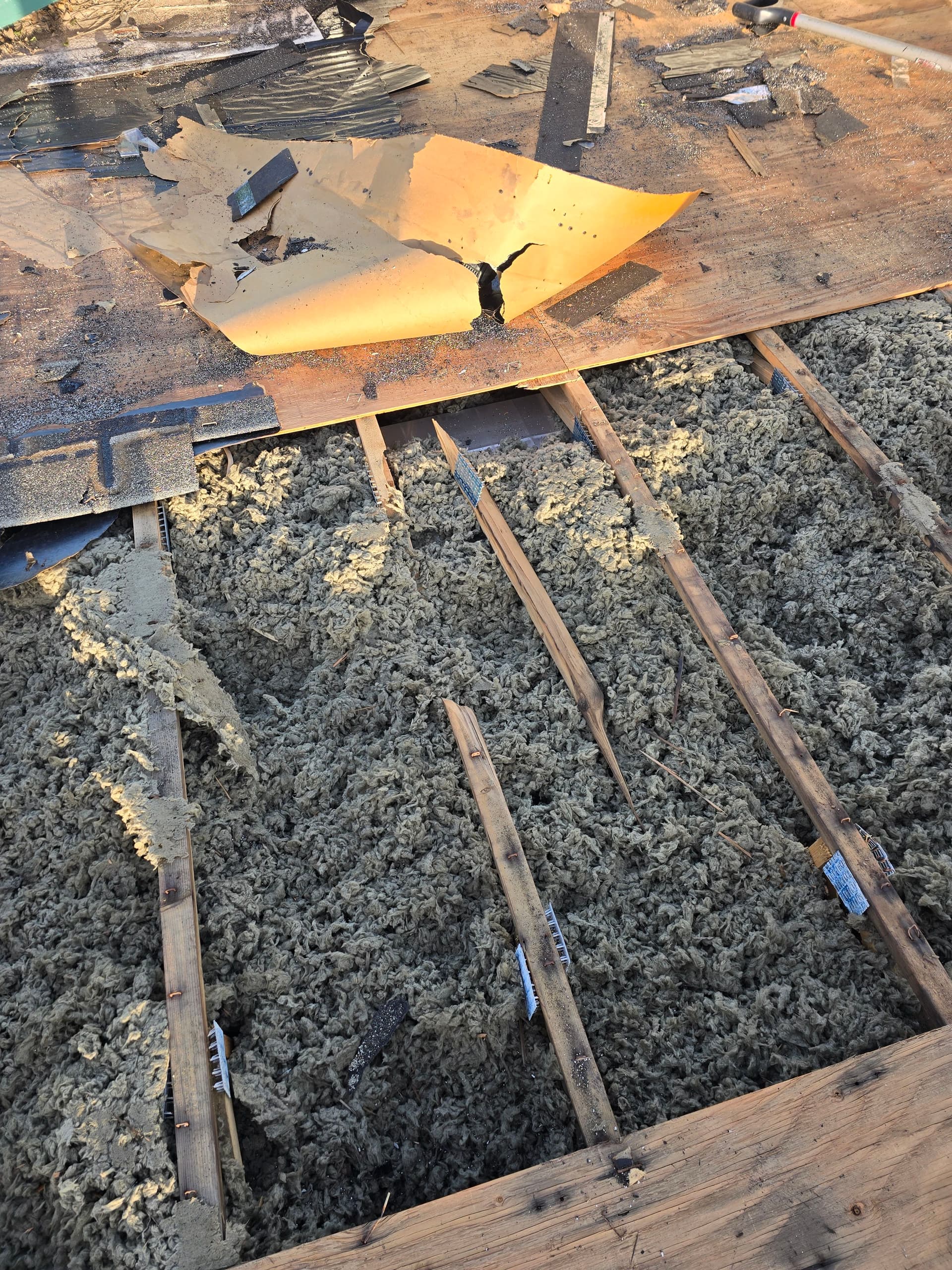
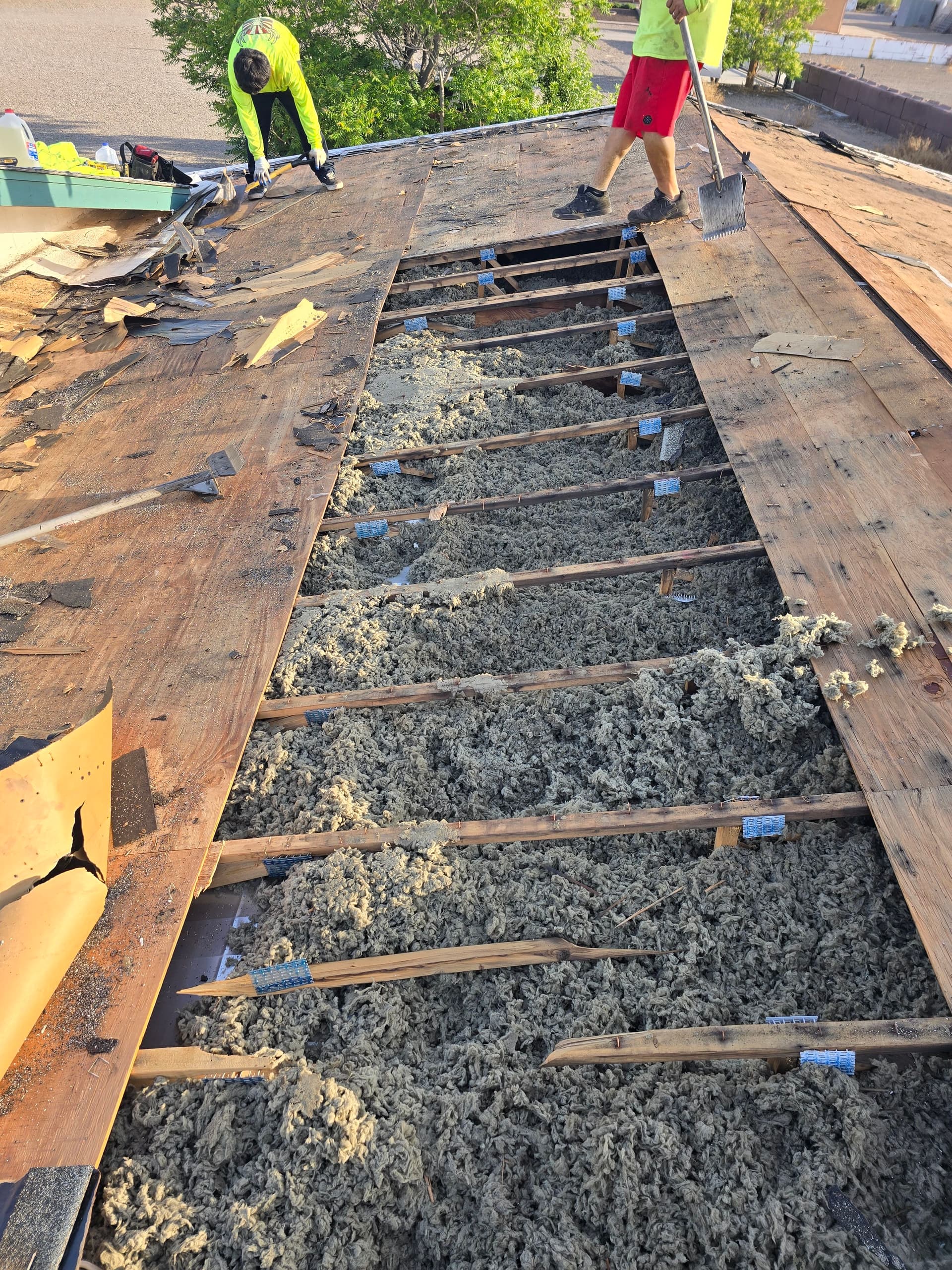
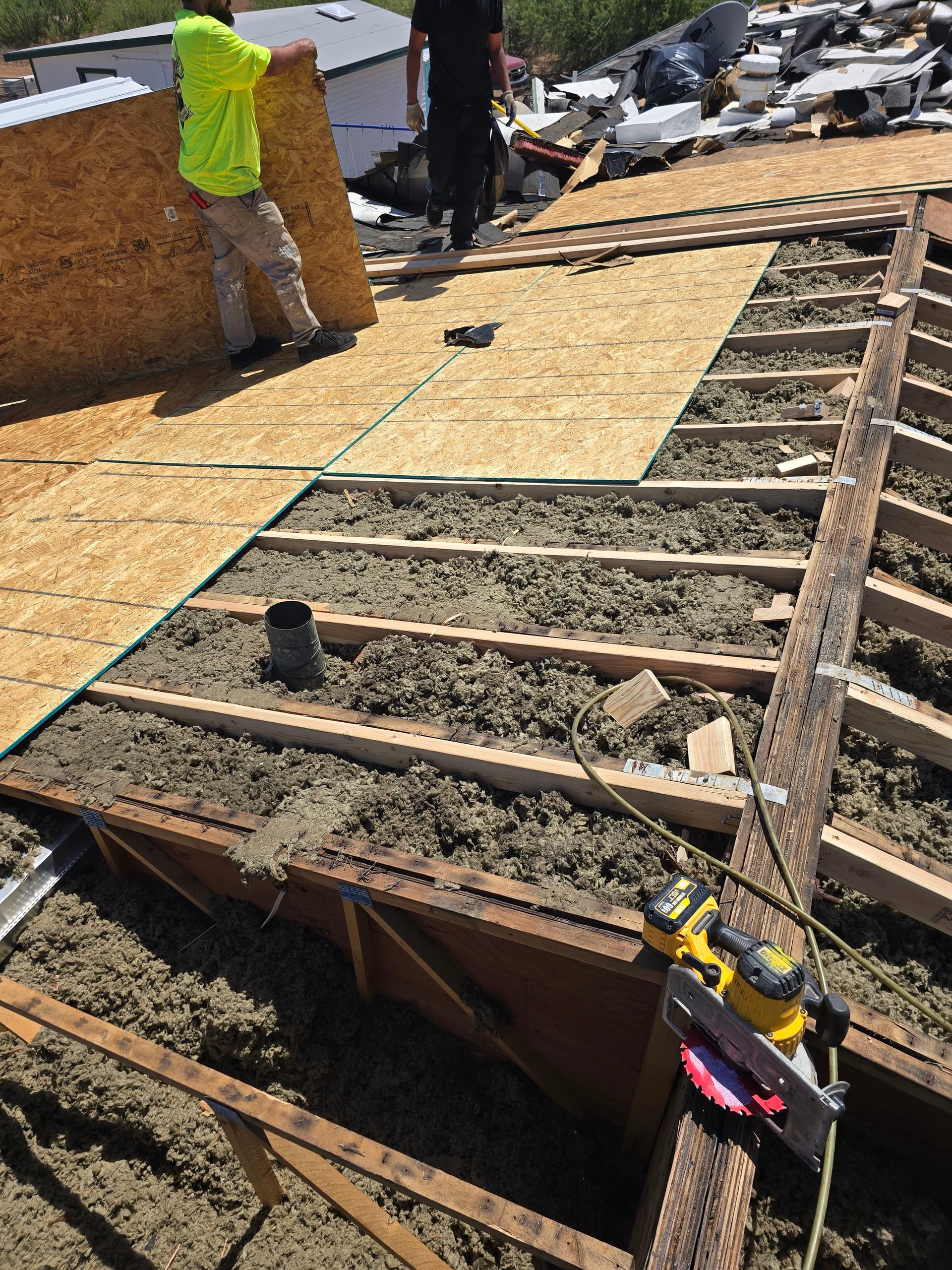
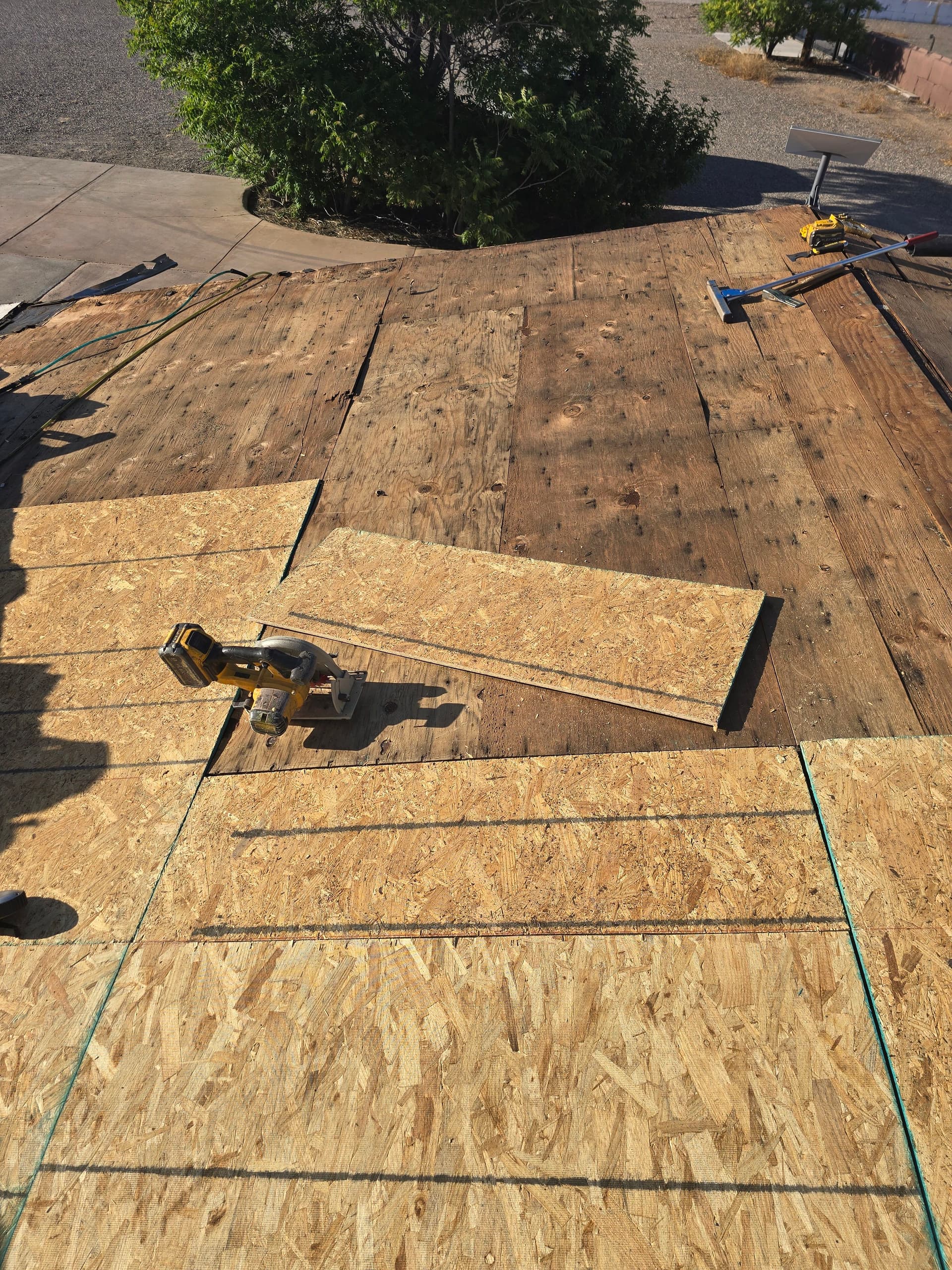
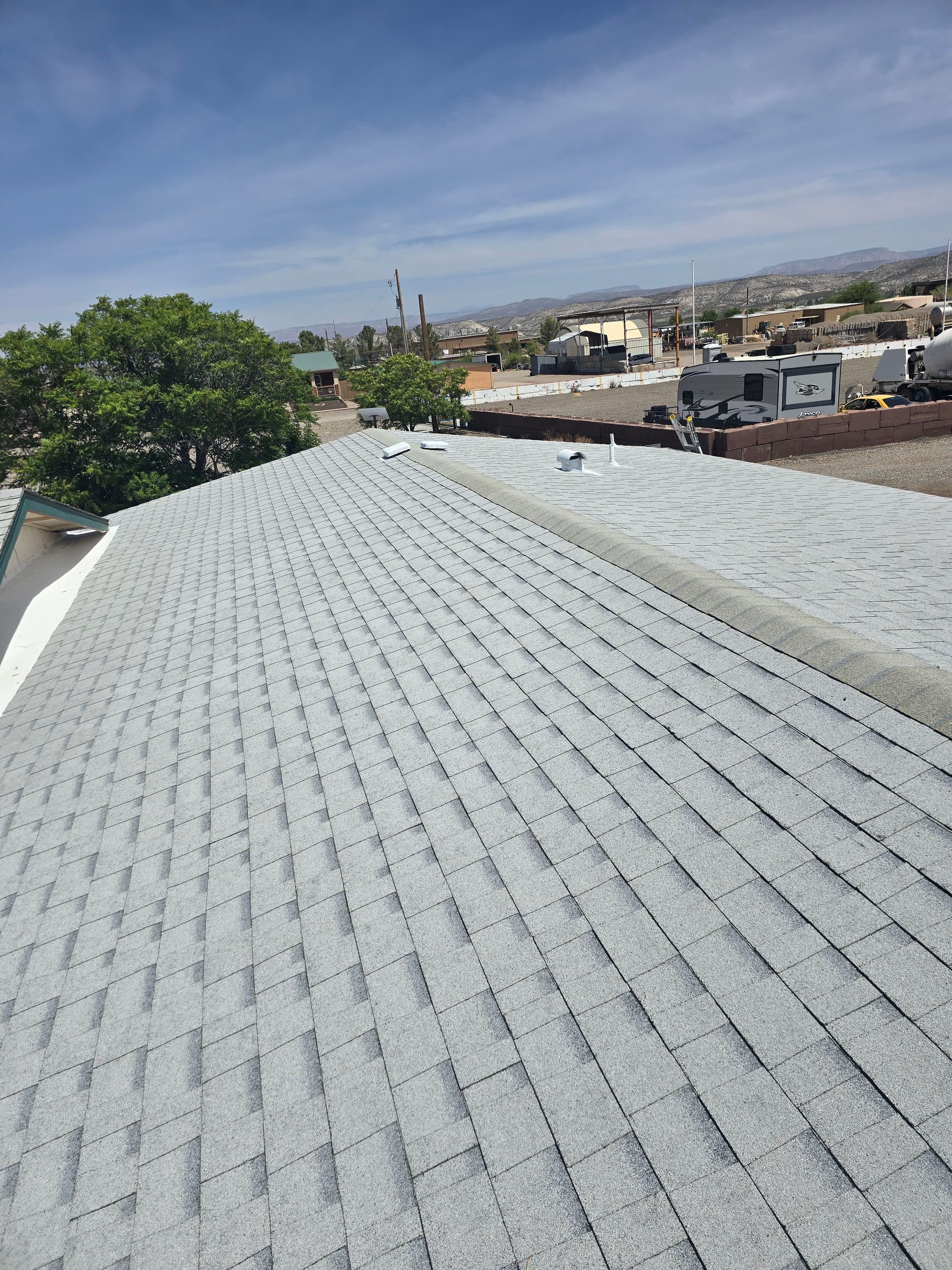
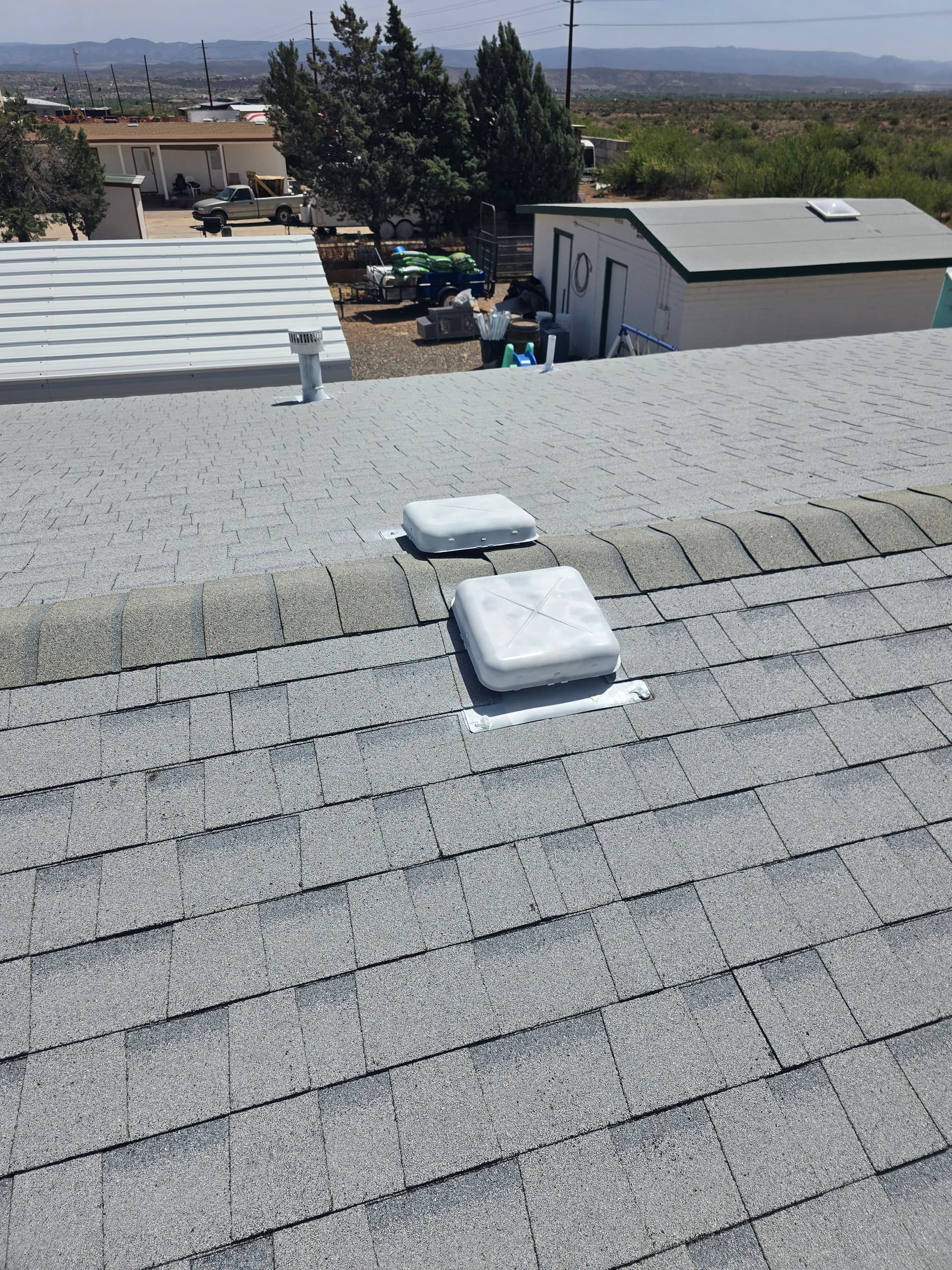
Most roofs look fine from the street until someone actually tears them off. That's exactly what happened here. Once we stripped everything down, we found what had been hiding - bad decking, framing support that wasn't up to par, and insulation that wasn't doing its job. None of that would have shown up in a quick inspection from the ground.
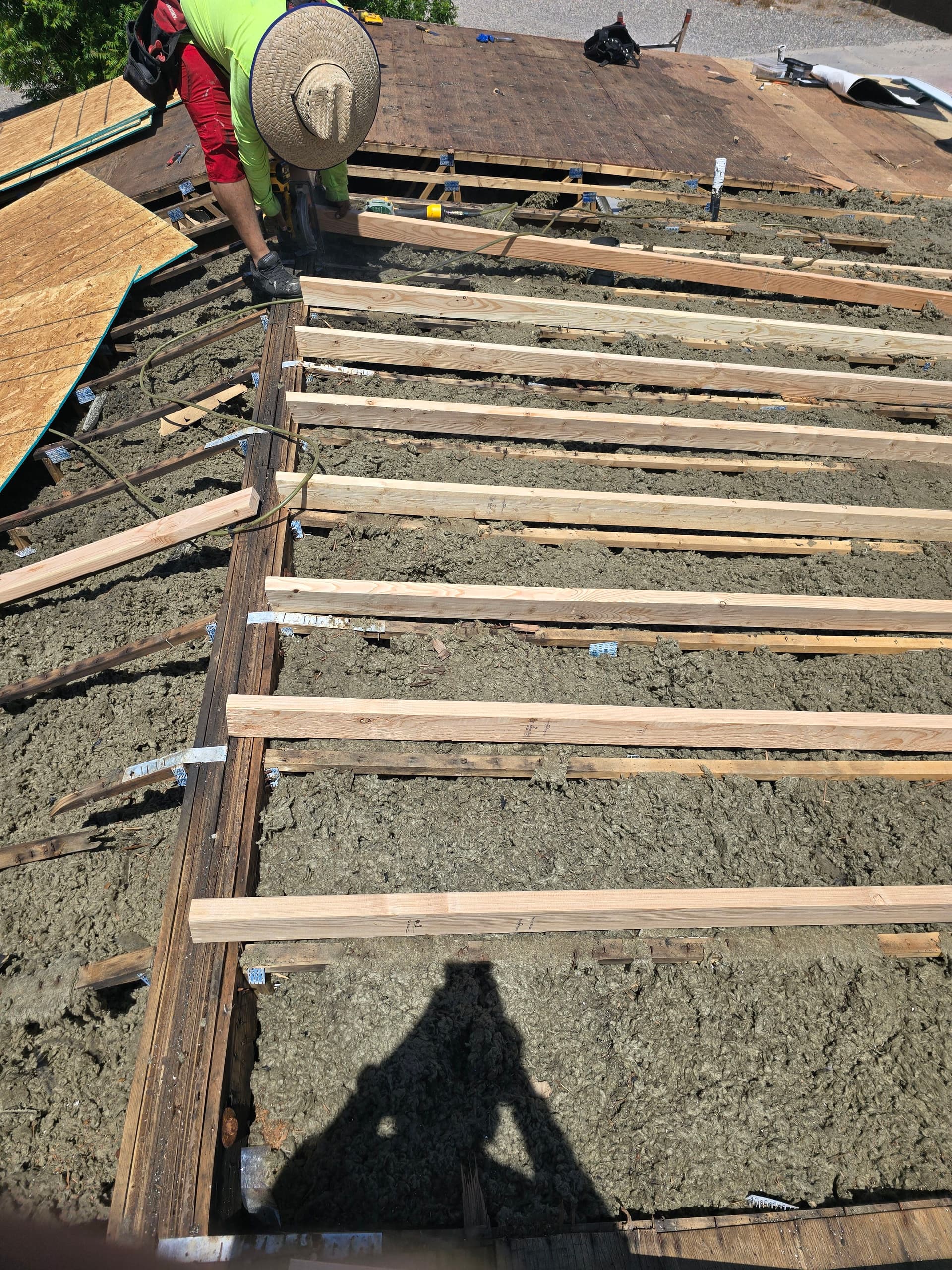
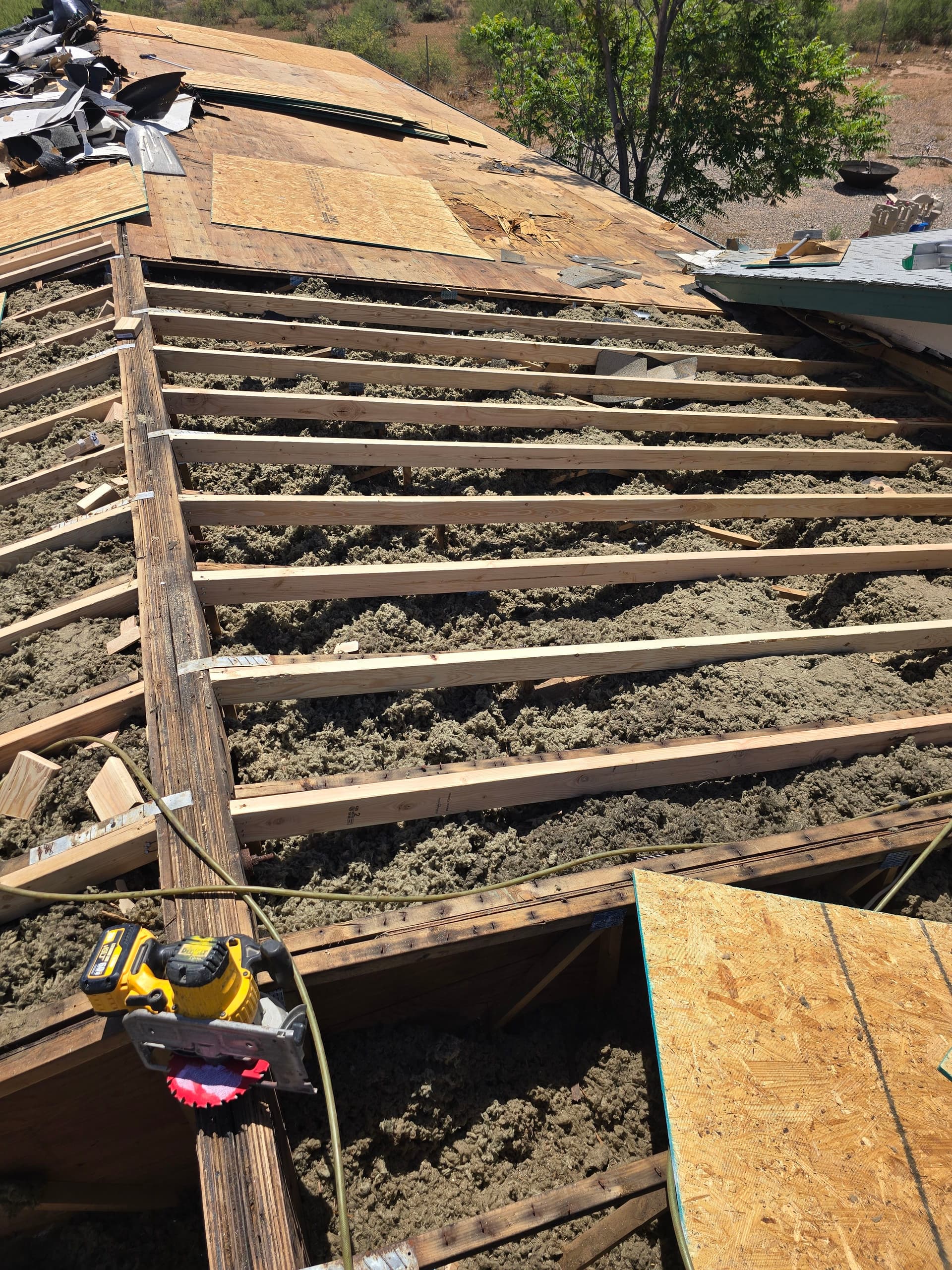
Here's the thing about a real roof replacement: if you just slap new shingles over bad bones, you're starting the clock on another failure. We don't work that way. We opened the rafters up completely, cleared out the problem areas, and rebuilt the structure the right way before a single new piece of material went down.
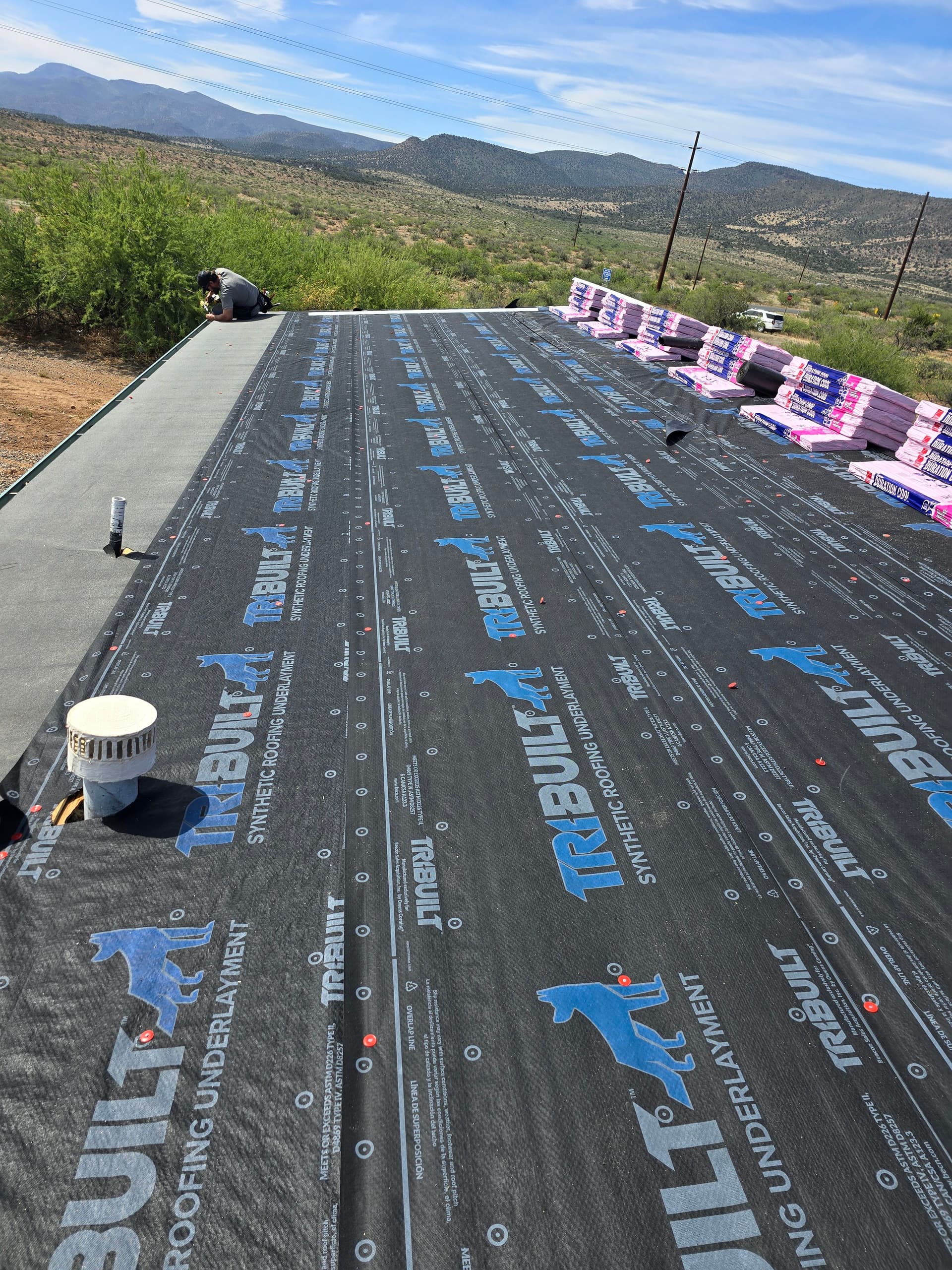
New framing support went in first. Then fresh decking across the entire span. After that, we laid down TRIBuilt synthetic underlayment - a big step up from old felt paper. It's tougher, more resistant to tearing, and gives you a much better moisture barrier under the shingles. Every layer has a purpose, and every layer got done right.
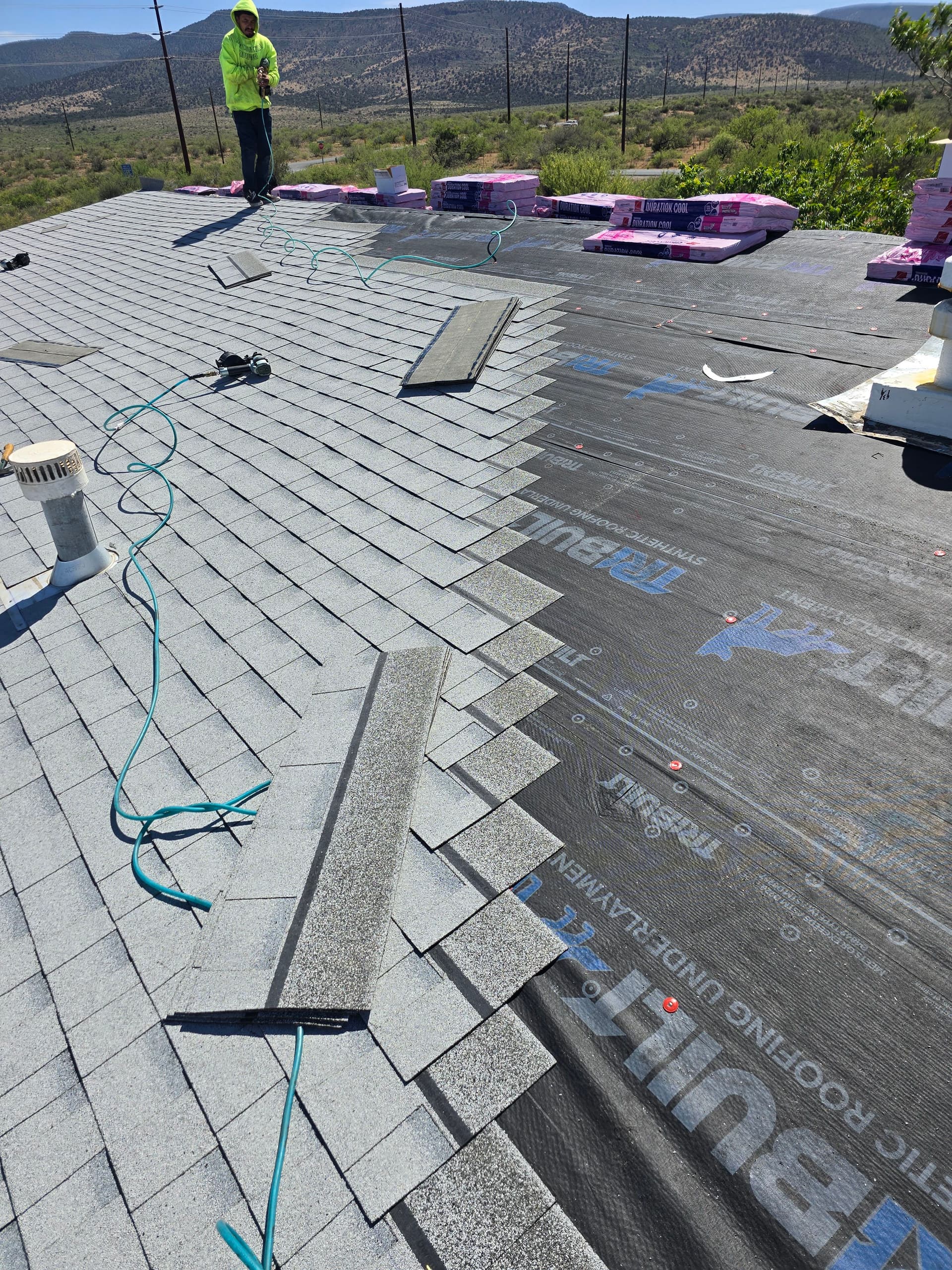
The finished shingles went on clean and tight, with proper ventilation set into the field. What you end up with isn't just a roof that looks new - it's a roof that's actually built to last, because the foundation underneath it is solid. No shortcuts. No covering up problems and hoping for the best.
That's what separates a real roof installation from a patchwork job. We've seen what happens when problems get buried instead of fixed. It costs homeowners a lot more in the long run. When we take on a roof replacement, we account for everything we find - not just the surface.